The Aragonese Romanesque: Loarre, Jaca and San Juan de la Peña
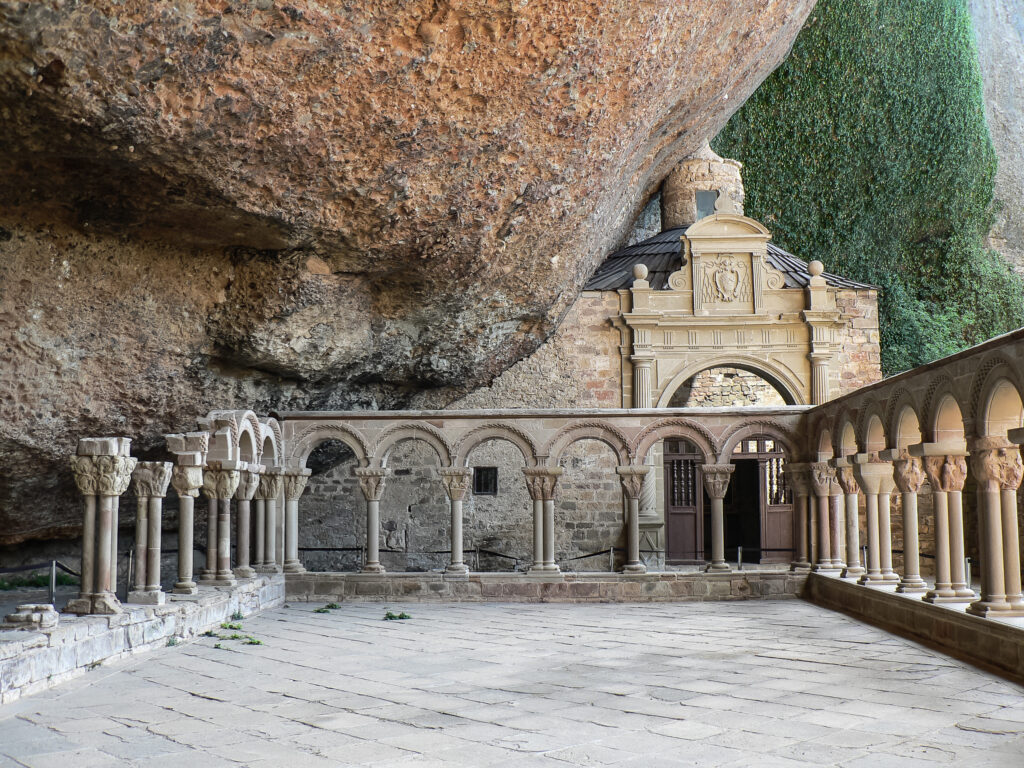
North of Zaragoza, in the province of Huesca, Aragon takes in a section of the Pyrenees, a significant mountain range of both great natural beauty and considerable cultural heritage. The area’s importance is due, in part, to the paths of the Camino de Santiago or Way of Saint James pilgrim route, and it boasts outstanding Romanesque art and architecture in churches and chapels. This outing will take in three towns in the Aragonese Pyrenees, each known for its Romanesque built heritage: Loarre, home to a striking castle of singular beauty; Jaca, home to a cathedral and a citadel as well as a museum of Romanesque art; and, finally, the Monastery of San Juan de la Peña, home to the royal pantheon of Aragon, built in the tenth century under and into a great overhanging cliff.
Photo: FRANCIS RAHER, vía Wikimedia Commons, CC BY 2.0.
Aragonese Mudejar Architecture: Teruel and Albarracín
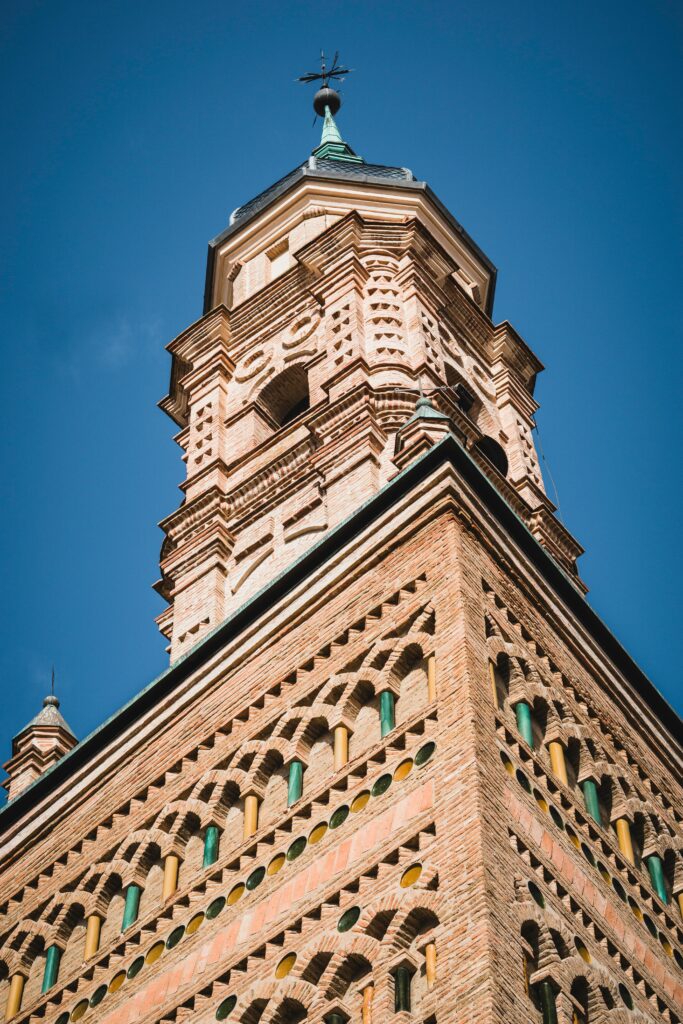
South of Zaragoza, in the province of Teruel, the beauty of towns and villages is made all the more striking by Mudejar architecture, which features Islamic forms and motifs in buildings undertaken under Christian rulers. This outing will take in walks around two of the towns best known for their Mudejar heritage: Albarracín, both a Roman settlement and the capital of a Muslim principality, recognized as one of the most beautiful village in Spain; and Teruel, capital of the Mudejar style, which is also rich in early twentieth-century architecture.